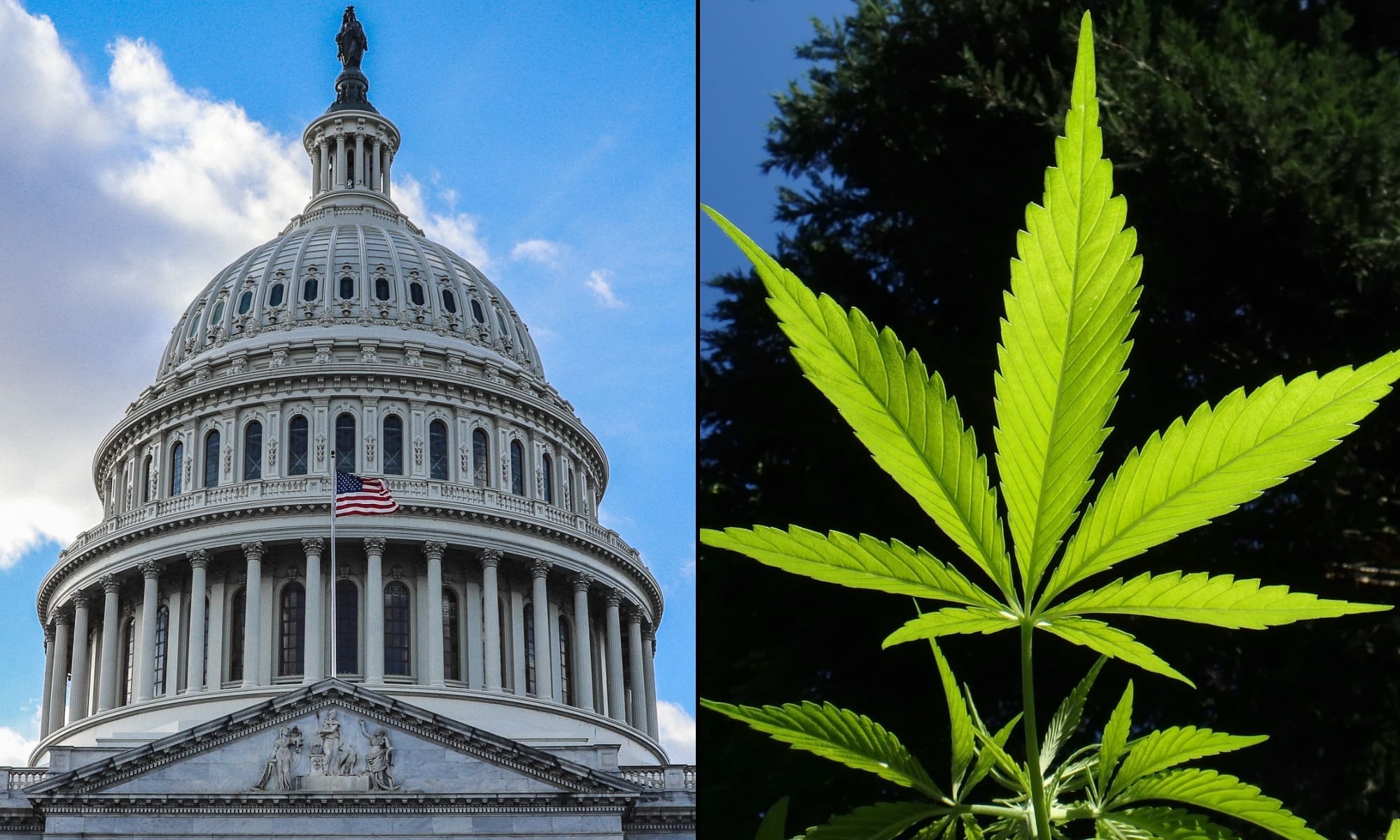
The U.S. House just sent Washington a message that is, by federal standards, almost reasonable: let the rescheduling process move forward and keep your hands off state medical programs. In a 397-28 vote, the House passed a Fiscal Year 2026 appropriations bill covering Commerce, Justice, Science, and Related Agencies that does two things worth paying attention to — it strips out a previously approved provision that would have blocked the Justice Department from rescheduling cannabis, and it renews the longstanding rider that stops the DOJ from interfering with state medical marijuana laws.
The Rescheduling Lane Stays Open
The stripped provision is the bigger headline. House Appropriations had earlier approved language that would have explicitly prohibited any federal funds from being used to move cannabis from Schedule I to Schedule III. That language is now gone from the final deal, which is good news for the rescheduling process that Trump pushed forward via executive order earlier this year, directing Attorney General Pam Bondi to expedite the move. The DEA, for its part, noted this week that the rescheduling appeal process "remains pending" — bureaucratic for "we are still working on it, please hold."
For cannabis advocates and industry players who have spent years watching rescheduling inch forward like a glacier, the removal of that blocking provision is a meaningful signal. It does not guarantee rescheduling happens, but it means Congress is not actively kneecapping the effort with the federal budget.
The Medical Shield Holds — Mostly
The bill also renews a rider that has been quietly doing important work since 2014: barring the DOJ from spending federal funds to go after state medical marijuana programs. Every state with a functioning medical cannabis program should be breathing a small sigh of relief — except Nebraska, which was conspicuously left off the protected list for reasons nobody has bothered to explain publicly. Whether that is a clerical error or something more deliberate remains unclear.
Also worth noting: a previously included provision that would have explicitly preserved the DOJ's authority to enforce enhanced penalties near schools and parks did not make the final cut. Congress instead tucked a directive into the bill's explanatory statement telling the DOJ to enforce the Drug-Free School Zones Act anyway. It is a softer approach, but the intent is the same.
What It Means
The hemp research protections from the 2014 Farm Bill also made it through intact, which keeps federally sanctioned industrial hemp programs running without DEA interference. Taken together, this bill is not a revolution — it is a carefully maintained status quo with one door left open. Whether the administration walks through that rescheduling door before the political winds shift again is the question everyone in the industry is watching.
Source: Marijuana Moment